
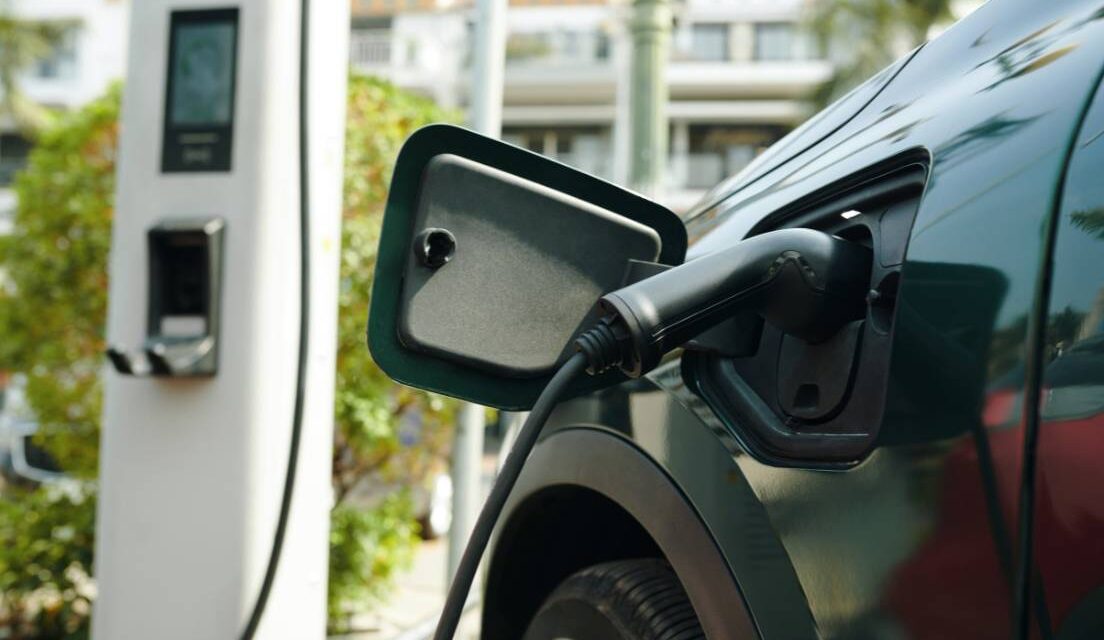
Guest post by Lucy Harbor and Ian Glover
If you’ve been thinking about switching to an electric car – but felt the cost or timing just wasn’t right – you’re definitely not alone. However, with a new £650 million Government grant available, there’s never been a better time to explore your options. The grant is designed to help make electric cars more affordable.
East Sussex has big plans to provide more on-street charging points and make it easier to charge at home, making switching to electric a lot easier.
Making electric cars more affordable
Electric cars are cheaper, quieter and cleaner to run, but the upfront cost can sometimes be a barrier. If that’s been the case for you, this grant could make a real difference. The aim of this grant (along with the new charging plans in East Sussex) is to make it easier and more affordable for residents to make the switch to electric cars. For example, the grant will reduce the cost of buying a new electric car by up to £3,750, depending on the model and how sustainable it is – which could make some options more affordable than you expected.
Here’s how it works…
- The car manufacturer applies for the grant and passes on the discount directly at point of sale—so that means no extra paperwork for the customer
- There are two bands, based on sustainability criteria:
Band 1 with the strictest sustainability criteria – receive up to £3,750 or 10% off new electric cars priced at, or below, £37,000
Band 2 – get up to £1,500 off
Eligible vehicles are grouped into band 1 or 2 depending on how sustainable they are. At the time of writing this (Nov 2025), there are currently 4 cars in Band 1, and 35 cars in Band 2. See a list of eligible cars here.
Plus, the scheme will run until the spring 2029 so there’s plenty of time to make use of it.
The plan for encouraging more electric vehicles in East Sussex…
East Sussex has received some funding from government to deliver one of the most significant on-street charging expansions in the South East, giving you far more places to charge your car. Whilst the primary focus will be to support residents that do not have access to off street parking, plans include a significant number of rapid chargers to support faster charging and en-route needs.
More charging, where it’s most needed
Residential areas without off-street parking will be prioritised. More than 2,400 public charge point sockets at up to 500 locations will be installed.
Improved accessibility
Every charger will meet standards to make sure it’s usable for people with disabilities or reduced mobility
Locally powered
The network will use 100% renewable electricity
Phased rollout
Installation will be staggered with sites being added during the rollout period which is expected to last 30 months.
Fair pricing
To make sure it is affordable for residents, charges will be benchmarked and price capped.
Cross-pavement charging
One of the biggest concerns for electric car owners without driveways is how to charge safely at home. East Sussex County Council is currently developing guidance for this, so residents can safely run charging cables across pavements and be able access grants to access this solution.
Safety and accessibility will be key considerations to ensure there are no tripping hazards, risk of electric shock or obstructions. The guidance will also explain how residents can apply.
Charge per mile
One thing to bear in mind is that in the Budget this month, it was announced that electric car drivers will pay a road charge of 3p per mile from April 2028, while plug-in hybrid drivers will pay 1.5p per mile, and the rates will go up each year with inflation.
What does this mean in practice? If you drive 8,500 miles in the 2028-29 financial year, then you would be expected to pay about £255. However this still works out at only half the cost per mile than petrol and diesel drivers pay in fuel tax for driving the same distance per year.
Where are we now?
The UK’s electric vehicle market continues to grow with 1.55 million fully electric cars on UK roads. That’s about 4.6% of all vehicles! However, despite growing enthusiasm across the country, East Sussex’s take-up of electric cars has been below average. Just 2.2% of registered vehicles are electric or plug-in hybrid, compared to 3.9% UK-wide. However, sales are picking up in East Sussex and expected to increase with the national grant and local changes. It is now becoming cheaper and easier for East Sussex residents who are thinking of switching cars, to move to electric.
Over the next five years, the second-hand electric car market is also predicted to expand. This is expected to help to make electric cars more accessible, and affordable.
Are you considering getting an electric car? Perhaps you have one already! Let us know your thoughts or questions in the comments below!


There is no way that I will get an ekectric car as they are way too expensive, the cost of battery replacement is ridiculous and they are non-biodegradeable. I also understand that rare earth minerals are used, not to mention the fact that these cars are far bigger and heavier so are damaging roads far more than petrol cars. No doubt you won’t publish this.